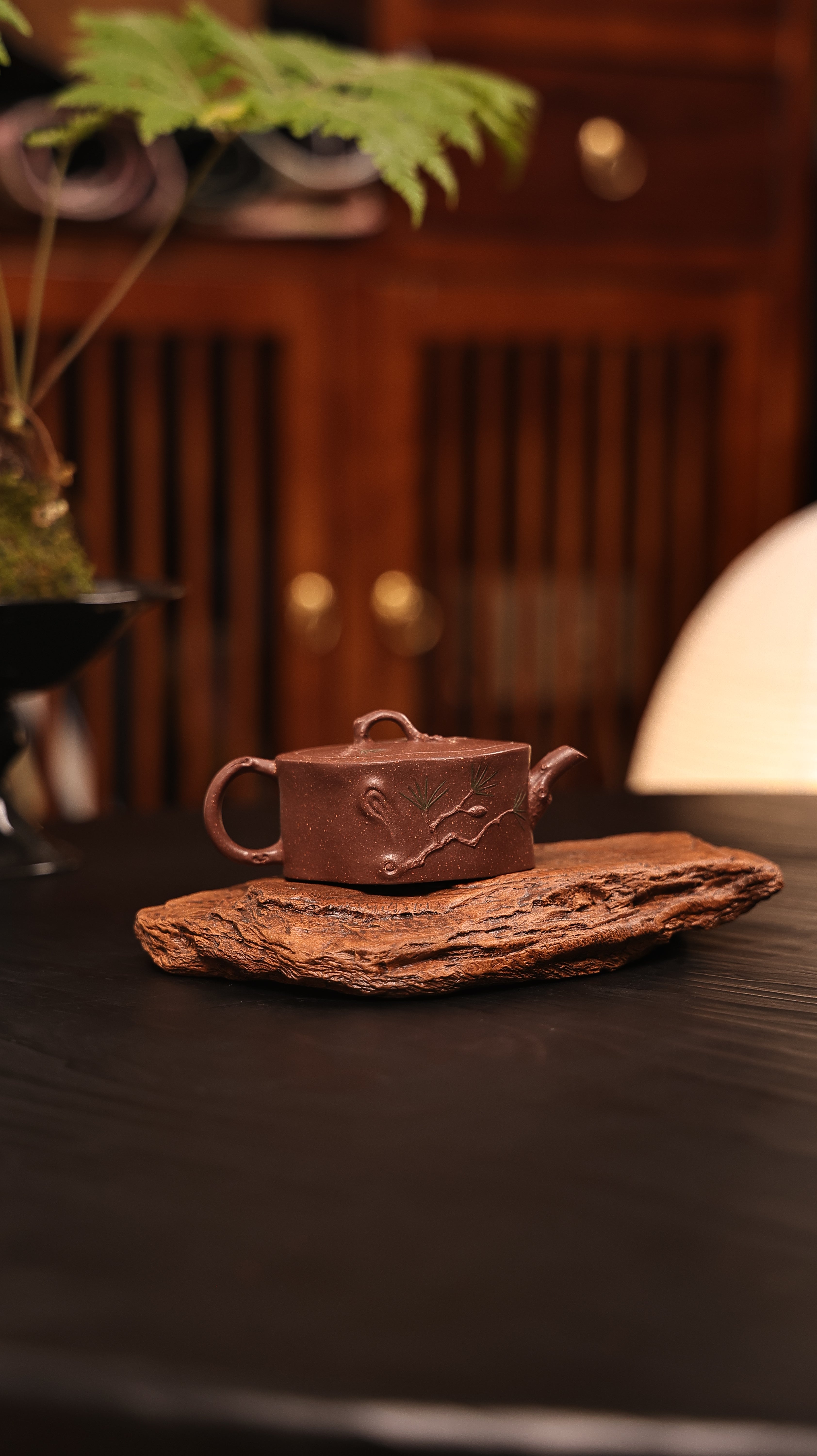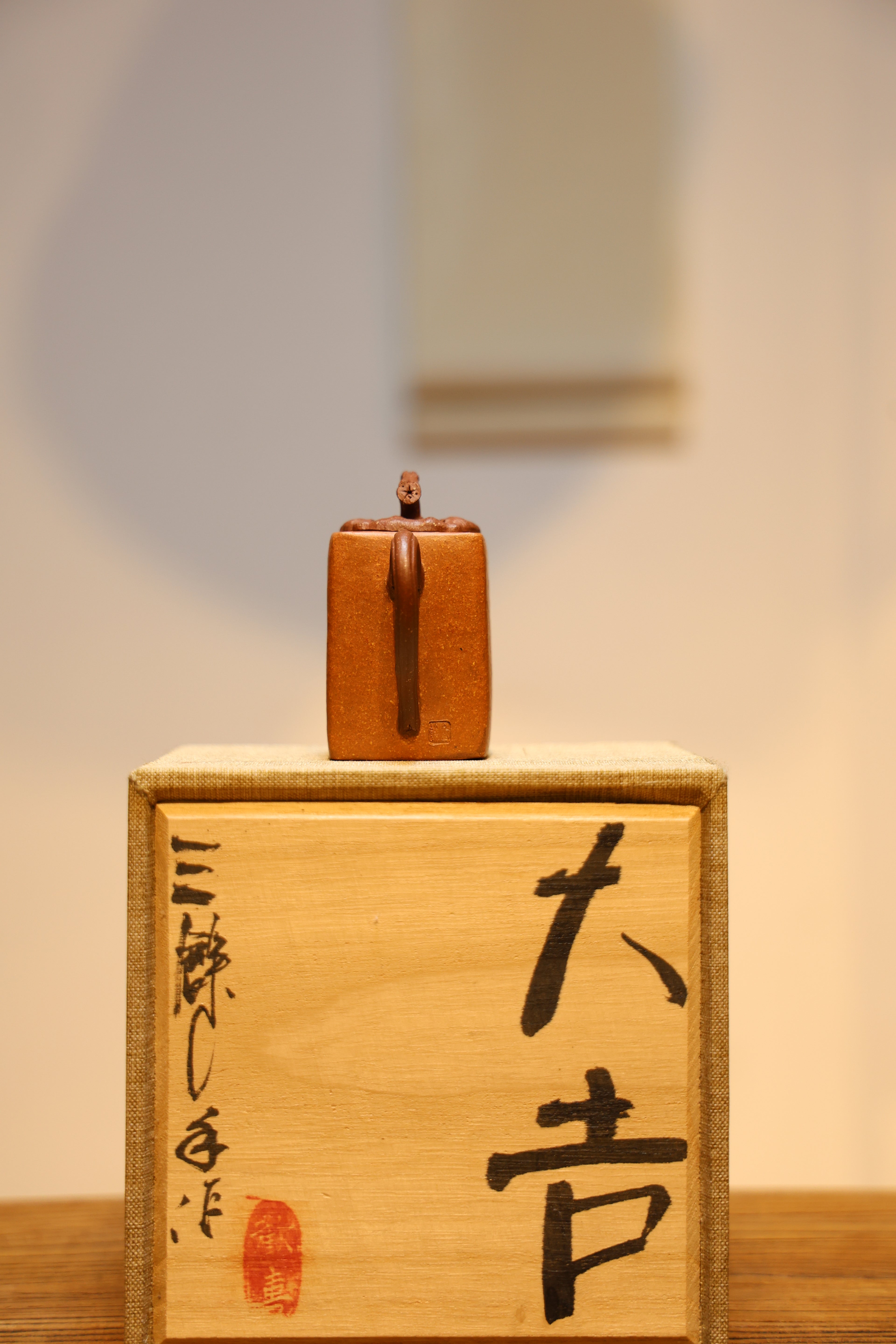
Opening such in-depth inspection about Issing Zisha ceramic vessels showcases unique compelling union featuring artistry alongside performance.
Ising Tzu Sha ceramic kettles retain special unrivaled seductiveness for collectors around the planet. The fascinating ceramic vessels, derived from the exclusive Eysing zone near Jiangsu district, China, feature more than just teaware; they are viewed as works of beauty and cherished significance. Special finely classified clay, known called Zisha, imparts a gentle flavor through the tea, and the detailed designs, often showcasing traditional Chinese imagery, make their core value. Gaining a genuine Yixing Zisha teapot presents a satisfying journey, necessitating careful study and an recognition of the numerous factors influencing its limited availability.
Understanding Yixing Tea Vessels
Yi-hsing ceramic containers boast a fascinating past deeply interwoven with Chinese civilization. Originating in Yixing, Jiangsu territory, these pots are crafted from a unique, porous purple mineral found only in that distinct location. Their evolution began during the Ming session, with master makers refining the processes over periods. Distinct types are available, including the classic Hexiang (resembling crab shells), Zhuni (red-brown hue), and Duan Ni (stone-studded) – each with distinctive attributes. The significance of an Yixing pot isn't solely based on its size or accessories, but also on the artisan’s reputation, the material's quality, and the teapot's age and condition. Aficionados often seek out older examples, believing they impart the character of the infusion brewed within them over time, further Yixing Teapot adding to their renown.- Traditional Tea Containers
- Rust-colored Teapots
- Mineral-Stippled Teapots
Zisha Teapot Mastery: Handiwork & Methods
That crafting of Zisha teapots represents a summit of Chinese ceramic art. Expert artisans employ antique techniques, often passed down through lineages, to unlock the full charm of this unique clay. Approaches involve meticulous fashioning by hand, often combined with the twisting method, followed by precise glazing at incredibly potent temperatures in wood-fired kilns. Embellishing is equally crucial; craftsmen utilize authentic clay colors and may incorporate sculpting work to depict intricate scenes or patterns, demonstrating a profound insight of the material’s capabilities and voice. The outcome teapot isn't merely a vessel for tea, but a testament to a valuable cultural legacy.
Eastern Pottery: A Insight to Issing Zisha
Discovering the world of Eastern teapots commonly begins with Yixing Zisha. These special clay earthenware are formed from a specific type of clay mined only in the Yixing region of the Jiangsu area province. Distinguished for its typical reddish-purple hue and outstanding characteristics, Zisha clay conveys a refined flavor to the drink and develops with age, transforming a cherished keepsake. Gathering Yixing Zisha pottery is more than just keeping a elegant object; it’s a celebration of heritage and craftsmanship.
Considering this Earthenware: Origination & Advancement
Starting the environment of Yixing Zisha earthenware can be remarkably beneficial, but obliges a meticulous eye. Authenticity is paramount; many imitations exist, often deceptively forged. Educating yourself about ancient tempering approaches, defining earth features, and the signatures of reputable artisans is wholly imperative. What’s more, knowing the fine points of the market direction – influenced by factors such as archaic role and the shape of the object – is essential to rewarding gathering.
- Exploring clay history.
- Contacting consultants for certification.
- Assessing exchange patterns.
An Art of Creating with a Clay Kettle
Unique singular allure of a Zisha brewing system lies not just in its splendid appearance, but also in its important impact on the taste of the elixir. These classical clay containers, sourced from singular regions of China, possess a organic porosity that subtly interacts with the drink and leaves, imbuing the beverage with a elegant character. Mastering the practice requires a mindful approach, understanding how the mineral responds to diverse thermodynamics and plant types, ultimately leading to a genuinely rewarding consuming journey.
Nurturing A Relic
Proper attention of your Yixing ceramic vessel is necessary to continuing its durability. These distinctive teapots, crafted from unique Yixing clay, exhibit a sheen over ages that increases their prestige. Frequently rinse the inner area with clean water, avoiding soapsuds, and never use harsh scrubbing tools. Intermittent gentle washing with a delicate cloth can encourage in removing spots. Allow your brewery pot to fully dry following each steeping
Understanding Earthenware: What Those Earthenware Are Special
The well-known appeal of Yixing teapots is sourced in the special properties of Earthenware clay, sourced solely near Yixing, the city of Yixing. This extraordinary clay, designated as ferruginous earthenware , features a exceptional combination of constituents that, over time, take in the savor of the drinks it handles. This results in a individual essence for each earthen vessel, ensuring it a value far more than its primary price and aiding to their admired status among specialists.
Finding the Ideal Eastern Pottery Piece: A Terracotta Reference
Venturing into the world of Yixing clay teapots can feel difficult, but understanding the roots is paramount to determining a sought-after piece. These clay, sourced mainly from the district of Yixing, the Jiangsu district, is celebrated for its exclusive grain and ability to boost the character of the elixir over duration. Ponder the configuration, the tone, and the visual appeal; a real Zisha teapot is more than just a receptacle; it's a artistic piece and a emblem of ancient culture. Examine the mark of the artisan for clues to its heritage and potential merit.