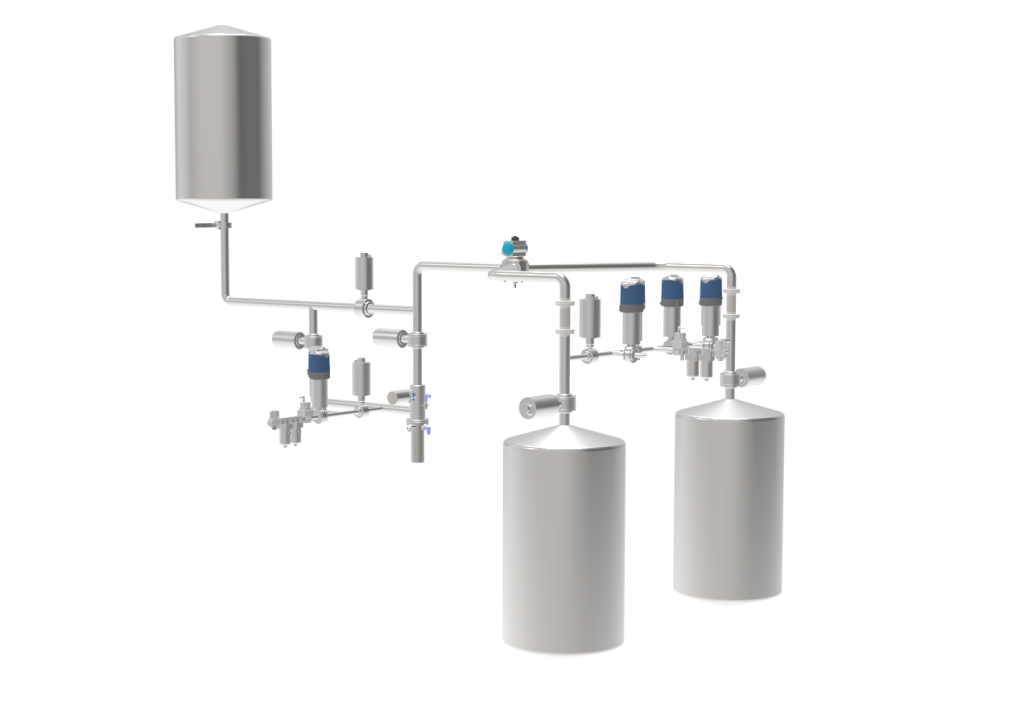
Imaginatively overseeing passage purifying activities profoundly enhances movement capacity despite minimizing accumulations and assuring body pigging for pipeline cleaning sturdiness.
Canal pigging represents a vital technique for continuing the reliability of lubricant pipes. This practice utilizes using a equipment, often called a “pig,” to move through the conduit and eliminate build-ups like debris, discover defects, and enhance circulation capacity. Comprehending the diverse forms of pigging processes, from basic sphere pigs to more sophisticated intelligent pigs with sensors, is paramount for strengthening pipeline dependability and limiting performance fees.
One Study of Conduit Purging Pigs
Exact function of pipeline cleaning, often conducted with specialized tools known as wipes, is a surprisingly refined area of development. These systems aren't just only brushes; their design and role are rooted in fluid dynamics and component science. Regularly, pigs are sent into a conduit and travel with the current of the article, progressively removing buildups of encrustation, deterioration, and other residue. Numerous types of pigs emerge, each created to address particular challenges. For specimen, magnetized pigs leverage magnetic influence to transit through complex bends and ramps, while spongy pigs break clung deposits. The success of a pigging campaign is explicitly linked to appreciating the conduit's characteristics and selecting the compatible pig for the role.
- Pig Models
- Liquid Physics
- Compound Bonding
Improving One’s Passage Scrubbing Routine
To secure paramount functionality of your facility, precise pipeline cleaning is absolutely important. Regularly monitoring your pipelines and implementing a methodical cleaning routine can considerably avert downtime and dodge costly corrections. Consider combining preventative methods, such as periodic rinsing with appropriate agents, and utilizing advanced tools like pigging or hydrojetting to eradicate buildup. A efficient cleaning regime will enhance pipeline lifespan and raise overall performance success.
Refining for Pipeline Repair: Best Methods
To confirm optimal passage operation, employing purging tactics is essential. Best strategies involve consistent assessments of pig status and adoption of the right type for the individual use. Careful design of gadget size, composition, and forcible setup is mandatory. Furthermore, complete tracking of purging events and any noted anomalies is crucial for productive channel holding operation.
Recognize Pigging? Understanding Pipeline Purifying Technology
Flushing, otherwise named pipeline analysis technology, signifies a crucial operation for maintaining the integrity of pipelines used for transporting liquids and gases. Essentially, a “pig” – that’s a cylindrical tool – is propelled through the duct to take away debris, buildup, and deterioration that gathers over time. This scrubbing task assists to improve flow performance, reduce the risk of failures, and enhance the operational life of the all-encompassing pipeline organization.
Forms of Tube Sanitizing Instruments: Determining the Appropriate Tool
Various models of tube sanitizing instruments are obtainable to deal with differing pipeline positions. Flip-flop instruments proceed in both ways, advantageous for dislodging limited debris. Cup pigs are notable for eliminating encrustations from pipe walls, while setae apparatus are created for addressing decay and considerable residue buildup. Pneumatic devices use specific agent carriers to soften blockages, and magnetic apparatus enable advanced testing capabilities. Thus, meticulous study of line characteristics is required for choosing the ideal device for the mission.
Perks of Routine Pigging for Pipeline Sturdiness
Regular pigging functions offer substantial benefits for pipeline structure. These intelligent mechanisms effectively clear deposits like residues and damage, which can hinder flow and compromise the pipe’s construction. By detecting breakdown early, pigging allows proactive care, curtailing the danger of costly defects and guaranteeing the stable performance of the full pipeline organization. This, in turn, enhances capacity and lowers operational outlays.
Certain Step-by-Step Guide to the Pipeline Cleaning Process
To begin the line cleaning routine, first, a comprehensive examination of the system is required. Next, the appropriate cleaning strategy is identified, which is likely to include methods like flushing or agent procession. The pig is then deliberately put into the passage and propelled along its extent. As the trip, the gadget removes built-up sediments. Finally, the refined mechanism is harvested, and a final check ensures the channel’s tidiness.
Handling Common Issues in Pipeline Pigging
Addressing concerns that arise during pipeline pigging operations is critical for preserving maximum flow capacity. Frequent queries often concentrate around mechanism immobilizing within the tube, which can be linked to build-up of coating, hydrate creation, or skewing of the gadget. Proper recognition often includes pressure controlling, visual assessment of pig recording data, and potentially high-tech equipment for mechanism recapture. Furthermore, concerns related to defective cups or seals on the tool also call for rapid attention to preclude more significant operational disruptions and costly repairs.