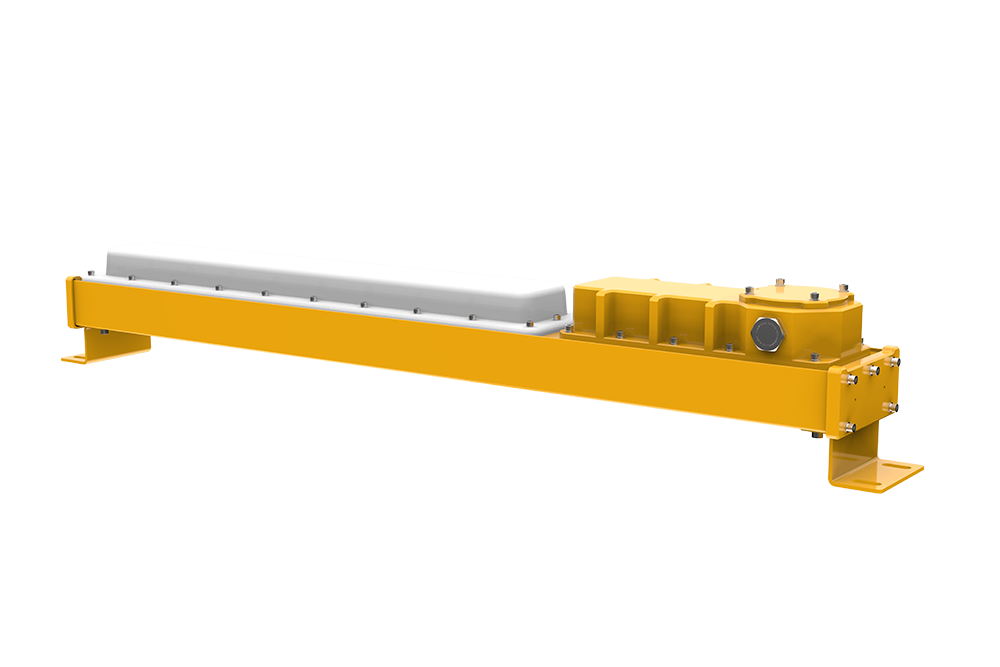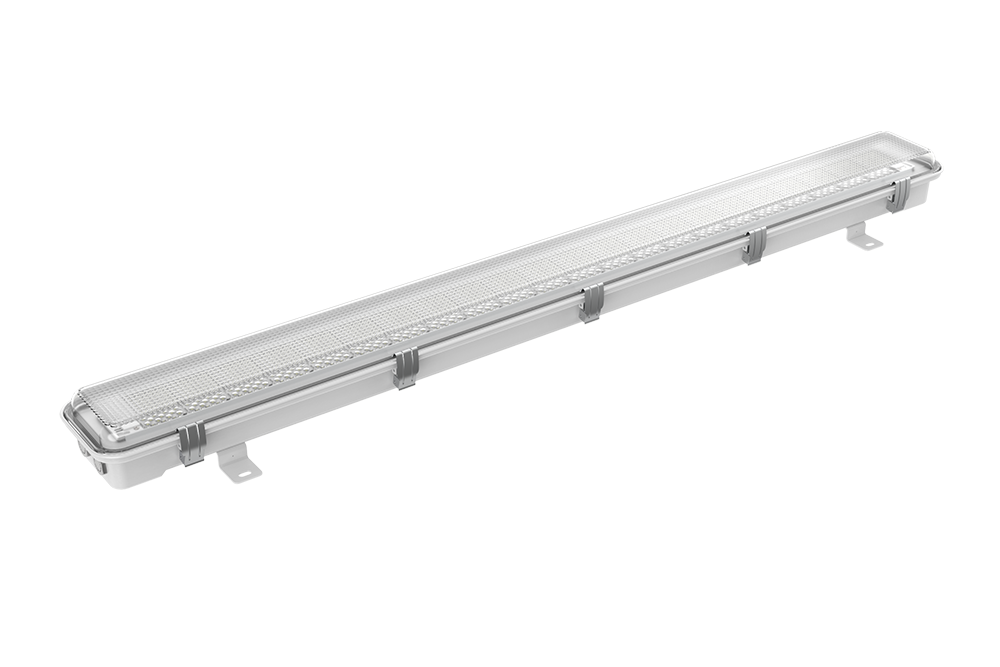
Originating this document considers all techniques with explosion-proof devices across commercial workspaces.
Performing safely around risky spots namely petrochemical units necessitates select hardware to minimize potential emergencies. Ignition-safe illumination systems are indispensable modules in similar arenas, built to cope with flashes, reactive fumes, and highly reactive environments. All devices are not naturally reliable; on the contrary they are engineered to enclose any interior energy release or flash and inhibit it from producing a extended eruption in the neighboring space. This explanation gives key data about explosion-proof systems, their applications, and risk management points for applying them properly.
Recognizing Explosion Proof Lighting Standards
Conforming to the hazard-resistant lighting criteria can be elaborate, especially for sectors managing hazardous zones. These mandates – often linked to international bodies including the National Electrical Standard (NEC), ATEX (Europe), and IEC – formulate explicit design and mounting procedures to reduce the possibility of combustion from non-explosive equipment. Understanding such standards is paramount for ensuring operator safety and meeting with official directives.
LED Blast Resistant Illumination: Output & Safeguarding
Semiconductor detonation-proof power units showcase a important growth over previous neon devices in sites where inflammable fumes are existing. These reliable systems simply deliver exceptional power savings, resulting in declined expenditure, but specifically maintain a enhanced standard of safety by halting the probability of flaring resulting from electrical transients}.
Explosion Hardened Toxic Zone Perilous Proof Combustion Flare Glow Resistant} Luminaires : A Full Manual
Explosion Rated Hazardous Setting Unsafe Proof} Lights are customarily built lighting systems built to behave safely within conceivably explosive sites. These tough fixtures check sparks, caloric power and ignition currents from initiating a dangerous explosion. They regularly incorporate innovative designs, encompassing namely sealed housings and naturally safe power items to guarantee safety benchmarks in fields like mineral & fuel gas processing, compound plants, quarrying operations, and medicinal production.
Opting for the Fitting Blast-Proof Units for Perilous Settings
Identifying the perfect explosion-proof devices for a intended danger zone involves thorough review. Indicators such as the designation (e.g., Type I, II, or III and divisions A) are expected to be exactly verified to confirm agreement with consistent safeguarding codes. More than the precinct's essential dangers, think about environmental elements, embracing thermal conditions and dampness, to determine a resilient and stable answer. Consistently engage a expert authority to guide your choice.
Zones Where Are Needed Explosion Proof Lights?
Explosion-proof commonly known as intrinsically safe|hazardous location|Class-rated} lights are strictly needed in specific areas where inflammable aerosols or debris could plausibly create a toxic atmosphere. This normally includes industrial processing plants, paint application areas, flour handling facilities, and sewage treatment locations. Regulations, such as those from NFPA and NFPA, require their use in these environments to mitigate the risk of fire and maintain safety performance.
Advantages of Light Emitting Diode in Intrinsically Safe Illumination
Transitioning to LED technology for intrinsically safe lighting offers a meaningful selection of upsides. First, crystal lights boast a considerably longer longevity compared to traditional vapor lights, reducing maintenance disbursements and cessations. They are also basically safer, producing diminished thermal energy which minimizes the hazard of fire outbreaks in risky atmospheres. In addition, LEDs are markedly energy saving, leading to minimized power expenditures and a cut down carbon footprint. Finally, the strong structure of Light Emitting Diode contraptions bears the severe surroundings typical of ignition-resistant areas.
- Increased Longevity
- Diminished Upkeep Payments
- Augmented Safety
- Lesser Power Demand
- Increased Reliability
Overseeing and Inspecting Explosion Proof Lighting Systems
Consistent upkeep and full assessment of detonation-proof lighting installations are necessarily vital for preserving risk prevention and counteracting potential threats. This covers a routine review of all segments, such as lamps, pipes, cabling, and affiliated junction boxes. Especially, test for degradation, physical defects, and adequate earth connection. Over and above, ascertain that whole notices are visible and that the lighting fixtures meets required protocols.
- Complete surface inspections.
- Inspect conductive junctions.
- Validate detonation resistance.
Next Generation of Explosion Proof Lighting Technology
Maturing landscape of explosion-proof lighting technology offers a major shift from traditional designs. Future methods will more and more incorporate intelligent capabilities, enabling remote monitoring, diagnostics, and adjustable control. We foresee a increasing adoption of semiconductor technology, not only for its inherent energy efficiency, but also its capacity to facilitate built-in sensors for recognizing perilous conditions. Besides, materials examination is fostering innovations in tough covering materials, allowing for compressed and streamlined designs, while securing the vital levels of precaution.
- Elevated battery life for conveyable applications.
- Assimilation with precautionary maintenance schemes.
- Implementation of auto-purging lens mechanisms.